
Introduction
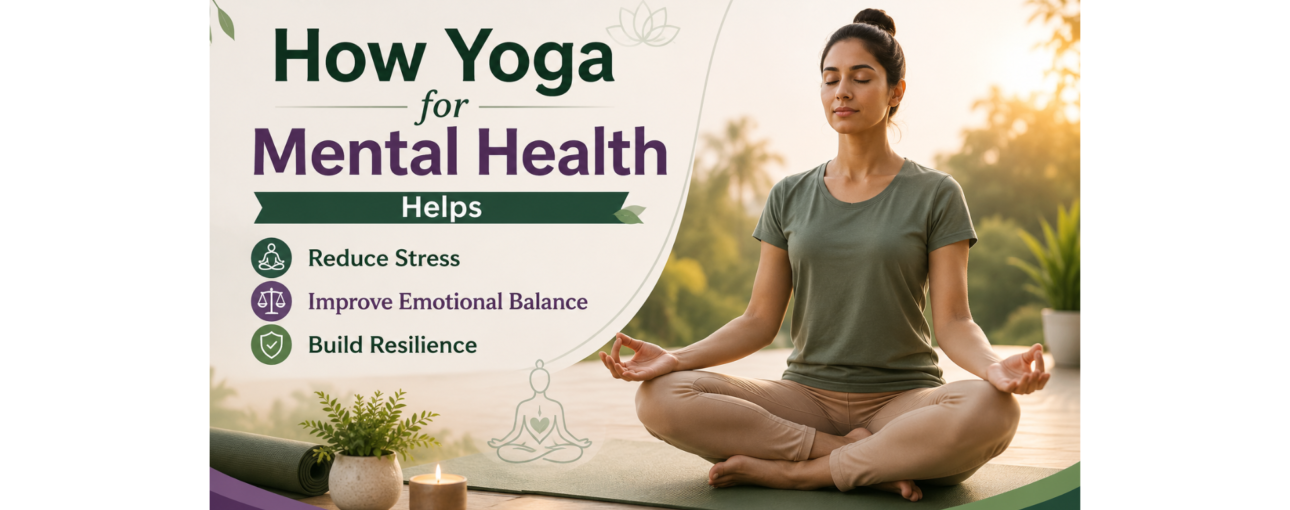
Mental health is no longer a topic that can be ignored. Meditation for Mental Health is a powerful practice that complements yoga by helping reduce stress, improve emotional balance, and build long-term resilience through mindful awareness.
In today’s fast-paced world, many people experience chronic stress, anxiety, emotional exhaustion, and burnout. While professional support remains essential whenever needed, everyday lifestyle practices also play an important role in maintaining emotional well-being.
One of the most effective and time-tested approaches is yoga for mental health. Far beyond physical exercise, yoga offers a holistic way of caring for the mind by combining movement, conscious breathing, relaxation, and self-awareness. These practices help calm the nervous system, improve emotional regulation, and create a greater sense of inner balance.
At AnuFunYoga®, yoga is viewed not simply as a series of postures but as a practical way of living. It helps individuals reconnect with themselves, build resilience, and cultivate lasting emotional well-being through consistent daily practice.
Why Mental Health Needs Daily Care
We often pay attention to our physical health only when something goes wrong. Mental health deserves the same level of care and attention.
Daily pressures from work, family responsibilities, financial concerns, and constant digital stimulation place enormous demands on our minds. Without healthy coping strategies, stress gradually accumulates, affecting sleep, concentration, relationships, and overall quality of life.
Looking after mental health should become part of our daily routine rather than something we consider only during difficult times.
How Meditation for Mental Health and Yoga Work Together
Yoga works because it addresses both the body and the mind simultaneously.
Gentle movement releases physical tension, while conscious breathing helps regulate the nervous system. Meditation and relaxation quiet the constant stream of thoughts that often contribute to anxiety and emotional fatigue.
Regular practice may help individuals:
- Manage everyday stress more effectively.
- Improve concentration and mental clarity.
- Enhance emotional balance.
- Develop greater self-awareness.
- Sleep more peacefully.
- Feel calmer during challenging situations.
- Build long-term emotional resilience.
Rather than offering temporary relief, yoga encourages lasting changes in how we respond to life’s challenges.
The Connection Between Breath and Emotions
Breathing reflects our emotional state. Practising Meditation for Mental Health alongside conscious breathing helps calm the nervous system, improve focus, and reduce emotional stress.
When we feel anxious or overwhelmed, our breathing often becomes rapid and shallow. When we are relaxed, it naturally becomes slower and deeper.
Yoga teaches us to become aware of this relationship.
By consciously slowing the breath, we send calming signals to the nervous system, helping the body shift away from a constant state of stress.
This simple practice creates space between an emotional trigger and our response, allowing us to respond with greater awareness instead of reacting impulsively.
Building Emotional Balance Through Awareness
Emotional balance does not mean avoiding sadness, anger, or fear.
Regular Meditation for Mental Health encourages greater self-awareness, making it easier to recognise emotions and respond with patience and clarity.
It means learning to experience emotions without becoming overwhelmed by them.
Yoga encourages mindful observation rather than immediate reaction.
As self-awareness grows, people begin noticing emotional patterns more clearly. They recognise stress before it becomes overwhelming, understand their triggers, and make healthier choices in response.
This ability gradually strengthens confidence, patience, and emotional resilience.
Why Consistency Matters More Than Intensity
Many people believe they need long yoga sessions to experience benefits.
In reality, consistency is far more important than duration.
Even fifteen to twenty minutes of mindful practice each day can contribute to better emotional well-being over time.
Simple habits such as conscious breathing, gentle stretching, meditation, and a few moments of quiet reflection become powerful when practised regularly.
Mental well-being is built through small daily actions rather than occasional intense effort.
The AnuFunYoga® Approach to Mental Well-Being
AnuFunYoga® approaches mental health as an integration of awareness, movement, breath, relaxation, and joyful living. Rather than focusing only on physical flexibility, the practice encourages individuals to develop emotional flexibility—the ability to remain balanced during life’s inevitable ups and downs.
Each practice is designed to strengthen the connection between the mind and body while gently regulating the nervous system. Conscious breathing calms emotional reactivity, mindful movement releases stored tension, meditation improves clarity, and self-reflection develops greater understanding of one’s thoughts and emotions.
AnuFunYoga® also recognises that healing is not about perfection. It is about creating sustainable daily habits that nurture resilience, confidence, compassion, and inner peace. Through regular practice, individuals gradually develop the capacity to respond to challenges with greater calm, awareness, and emotional strength.
Simple Ways to Practise Yoga for Mental Health Every Day
Supporting your mental well-being does not require major lifestyle changes. Including Meditation for Mental Health in your daily routine can support emotional resilience, improve concentration, and promote a lasting sense of inner calm.
You can begin by:
- Starting your day with five minutes of conscious breathing.
- Practising gentle yoga stretches.
- Taking mindful breaks between work.
- Spending a few minutes in meditation.
- Limiting unnecessary screen time.
- Walking mindfully in nature.
- Ending the day with gratitude and quiet reflection.
These simple habits help create lasting emotional stability over time.
Frequently Asked Questions
Can yoga improve mental health?
Yoga supports mental well-being by helping reduce stress, improve emotional regulation, promote relaxation, and strengthen resilience. It works best when practised consistently alongside other healthy lifestyle habits and professional care when needed.
How often should I practise yoga for mental health?
Even 15–20 minutes of daily practice can provide meaningful benefits. Consistency is more important than practising for long periods occasionally.
Is yoga suitable for beginners?
Yes. Yoga can be adapted for people of all ages and fitness levels. Beginners can start with gentle movement, breathing exercises, and simple mindfulness practices.
What makes AnuFunYoga® different?
AnuFunYoga® integrates mindful movement, conscious breathing, meditation, emotional awareness, and joyful living into a holistic approach that supports long-term mental and emotional well-being rather than focusing only on physical exercise.
How does Meditation for Mental Health support emotional well-being?
Meditation for Mental Health helps reduce stress, improve self-awareness, regulate emotions, and strengthen resilience. When practised regularly with yoga, it supports long-term mental and emotional well-being.
Conclusion
Mental health is strengthened through the small choices we make every day. By combining mindful movement, conscious breathing, self-awareness, and relaxation, yoga offers a practical and sustainable path towards emotional balance and resilience. By combining yoga with Meditation for Mental Health, individuals can develop healthier habits that support emotional balance, resilience, and overall well-being.
AnuFunYoga® builds on these timeless principles by encouraging people to cultivate awareness alongside physical well-being. Rather than striving for perfection, it inspires a way of living that supports calmness, confidence, compassion, and inner strength.
When practised consistently, yoga becomes more than an exercise routine-it becomes a lifelong companion for nurturing mental health, emotional balance, and a happier, more meaningful life.