
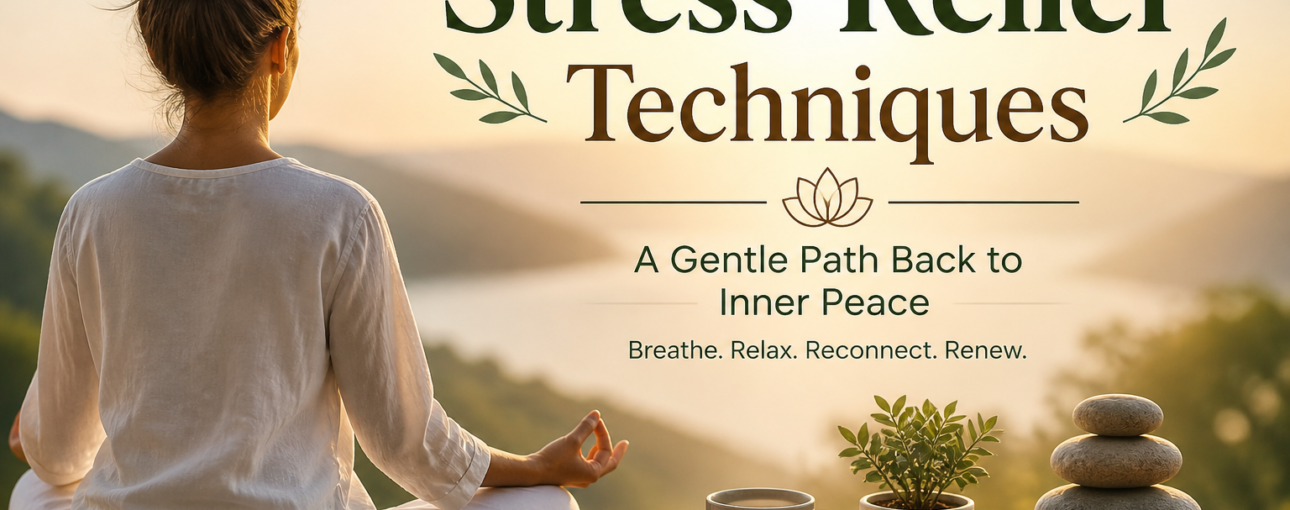
Understanding Stress in Today’s World
Stress relief techniques are no longer optional in today’s fast-paced world; they have become essential for maintaining mental and emotional balance. Stress does not always appear in obvious ways. It often builds quietly, showing up as overthinking, fatigue, and a constant sense of pressure. As daily life becomes more demanding, the mind rarely gets the chance to rest, leading to an imbalance that affects both well-being and clarity.
Rather than trying to eliminate stress completely, the real goal is to understand it and respond with awareness. When you begin to notice your thoughts without immediately reacting to them, a sense of control and calm naturally starts to develop.
The Power of Conscious Breathing
One of the most effective stress relief techniques lies in something we often overlook, our breath. Breathing is not just a physical function; it is deeply connected to the state of the mind. When the breath becomes slow and steady, the mind follows the same rhythm.
Taking a few moments each day to sit quietly and focus on your breathing can create a noticeable shift. It allows the nervous system to relax and brings your attention back to the present moment. Over time, this simple practice can reduce anxiety and improve emotional balance.
Finding Healing in Silence
Silence is often underestimated in its ability to heal. With constant noise from the outside world and continuous thoughts within, the mind becomes overwhelmed. Creating space for silence allows the mind to settle naturally.
Spending even a short period without distractions can help you reconnect with yourself. In these quiet moments, clarity begins to emerge, and stress starts to lose its intensity. Silence becomes a space where the mind can rest and reset.
Releasing Stress Through Gentle Movement
The body stores stress in ways we may not always recognize. Tension in the shoulders, stiffness in the body, or constant fatigue are often signs of accumulated stress. Gentle movement practices like yoga or mindful stretching help release this tension.
When movement is done with awareness, it becomes more than just exercise. It becomes a way to reconnect with your body and understand its signals. This connection creates harmony between the physical and mental state, reducing stress naturally.
The Role of Acceptance in Reducing Stress
A significant part of stress comes from resisting situations that are beyond control. The more you resist, the more intense the stress becomes. Acceptance, on the other hand, creates space for calmness.
Accepting a situation does not mean giving up. It means allowing things to be as they are, which helps reduce emotional pressure. From this place of acceptance, it becomes easier to think clearly and take better actions.
Expressing Emotions for Inner Lightness
Unexpressed emotions tend to build up over time, increasing stress levels. Allowing yourself to express what you feel can bring immediate relief. Whether through writing, speaking, or creative activities, expression helps release emotional weight.
When emotions are acknowledged instead of suppressed, they lose their intensity. This creates a sense of lightness and helps you move forward with greater ease.
The Importance of Mindful Living
Stress often arises when the mind is either stuck in the past or worried about the future. Mindful living brings your attention back to the present moment. When you are fully present, even simple activities begin to feel more meaningful and less overwhelming.
Organizations like Anu Aggarwal Foundation encourage individuals to adopt mindful practices that support emotional and mental well-being. By focusing on awareness and inner balance, it becomes easier to navigate life without being consumed by stress.
Gratitude as a Transformative Practice
Gratitude has the power to shift your perspective. When you are stressed, the mind naturally focuses on what is lacking or going wrong. Practicing gratitude redirects your attention to what is already present and positive.
This shift may seem small, but it has a deep impact on emotional well-being. Over time, gratitude creates a more balanced and peaceful state of mind.
Reconnecting with Nature
Nature offers a sense of calm that is difficult to find elsewhere. Whether it is a walk in a park, sitting under a tree, or simply observing the sky, these moments create a feeling of grounding.
Nature does not rush, yet everything flows perfectly within it. Spending time in such environments helps slow down your thoughts and brings a natural sense of peace.
Rest and Restoration
A tired mind is more vulnerable to stress. Without proper rest, even small challenges can feel overwhelming. Creating a calming routine before sleep and allowing the body to fully relax can improve both mental and physical health.
When the body is well-rested, the mind becomes more stable, making it easier to handle daily pressures.
Moving Toward Inner Balance
Stress is not something that needs to be fought. It is a signal that something within requires attention. When you respond with awareness instead of resistance, stress begins to lose its hold.
Anu Aggarwal Foundation continues to inspire individuals to focus on inner well-being through simple, mindful practices. By choosing awareness and balance, it becomes possible to live with greater clarity and peace.
FAQs
What are effective stress relief techniques for daily life?
Practices like conscious breathing, mindfulness, gentle movement, and gratitude can help reduce stress effectively when done consistently.
How quickly can stress relief techniques show results?
Some techniques like breathing exercises can provide immediate calm, while others create long-term benefits with regular practice.
Can mindfulness really reduce stress?
Yes, mindfulness helps you stay present and reduces overthinking, which is a major cause of stress.
Is it necessary to practice meditation daily?
Daily meditation is helpful, but even short mindful moments throughout the day can make a difference.
How does nature help in reducing stress?
Nature creates a calming environment that helps slow down thoughts and brings emotional balance.
Final Thoughts
Calmness is not something you need to search for outside. It already exists within you, waiting to be acknowledged. Stress may be a part of life, but it does not have to control how you feel or respond.
If you are ready to embrace a more peaceful and balanced way of living, begin with these stress relief techniques today. Explore the mindful practices and wellness initiatives shared by Anu Aggarwal Foundation and take your first step toward a calmer, more centered life.