
Introduction
In a world that often encourages people to focus on what is missing, gratitude offers a different perspective. It invites individuals to recognize and appreciate what is already present in their lives, creating a sense of contentment, connection, and emotional balance.
Meditation for Mental Health is often combined with gratitude practices to support emotional well-being, self-awareness, and a more positive outlook on life.
Gratitude is more than simply saying “thank you.” It is a way of thinking and living that helps people acknowledge the positive aspects of life, even during difficult circumstances.
Research in psychology and well-being continues to show that gratitude can have a meaningful impact on emotional health, relationships, and overall life satisfaction. While it may appear simple, gratitude is a powerful practice that can transform the way people experience themselves and the world around them.
Organizations such as AnuAggarwalFoundation recognize the importance of positive lifestyle practices that support emotional wellness, self-awareness, and healthier communities.
What Is Gratitude?
Gratitude is the conscious appreciation of the people, experiences, opportunities, and moments that enrich life.
It involves recognizing value rather than taking things for granted.
Gratitude can be directed toward:
- Family and friends
- Good health
- Personal growth
- Everyday experiences
- Nature and the environment
- Learning opportunities
- Acts of kindness
Importantly, gratitude does not require a perfect life. It simply encourages individuals to notice what is meaningful and valuable within their current circumstances.
Why Gratitude Matters
Modern life often encourages comparison, competition, and the constant pursuit of more.
As a result, many people spend considerable time focusing on:
- What they lack
- What has gone wrong
- Future worries
- Past disappointments
While challenges are a natural part of life, constantly focusing on negativity can affect emotional well-being.
Gratitude helps create a healthier balance by encouraging people to also acknowledge what is working, what has been learned, and what can be appreciated.
This shift in perspective often contributes to greater emotional resilience and life satisfaction.
The Connection Between Gratitude and Emotional Well-being
Studies suggest that gratitude may contribute to:
- Reduced stress
- Improved emotional balance
- Greater optimism
- Stronger relationships
- Increased feelings of happiness
- Better overall well-being
When individuals regularly practice gratitude, they often become more aware of positive experiences that might otherwise go unnoticed.
This awareness can create a more balanced and constructive outlook on life.
Gratitude and Relationships
One of the most powerful effects of gratitude is its impact on human relationships.
Expressing appreciation helps strengthen connections between people.
Simple actions such as:
- Thanking someone sincerely
- Acknowledging support
- Expressing appreciation
- Recognizing kindness
can improve communication and build stronger bonds.
People who feel valued and appreciated are often more likely to create positive and supportive relationships in return.
Gratitude Begins with Awareness
Gratitude is closely connected to mindfulness and self-awareness.
When individuals slow down and become more present, they are often better able to recognize the positive aspects of daily life.
Regular Mindfulness for Stress Relief practices can increase awareness of positive experiences and strengthen gratitude in everyday life.
These moments may include:
- A meaningful conversation
- A beautiful sunrise
- A supportive friend
- A lesson learned through a challenge
- An opportunity for growth
Awareness helps transform ordinary experiences into sources of appreciation.
Regular Meditation for Mental Health can help individuals become more present, making it easier to recognize and appreciate positive experiences.
Gratitude in Action
Gratitude becomes most powerful when it moves beyond thoughts and becomes action.
Acts of kindness, service, compassion, and community support are often natural expressions of gratitude.
Gratitude often begins with recognizing that life itself is a gift. This perspective has inspired the work of Anu Aggarwal, who has frequently spoken about the importance of appreciating both opportunities and challenges as part of personal growth. That sense of gratitude has also shaped her commitment to community service through AnuFunYoga®, including spending time with marginalized communities and supporting wellness initiatives that encourage dignity, self-awareness, and human connection. When gratitude moves beyond words and becomes action, it has the power to transform both individuals and communities.
Simple Ways to Practice Gratitude
Developing gratitude does not require major lifestyle changes.
Simple practices may include:
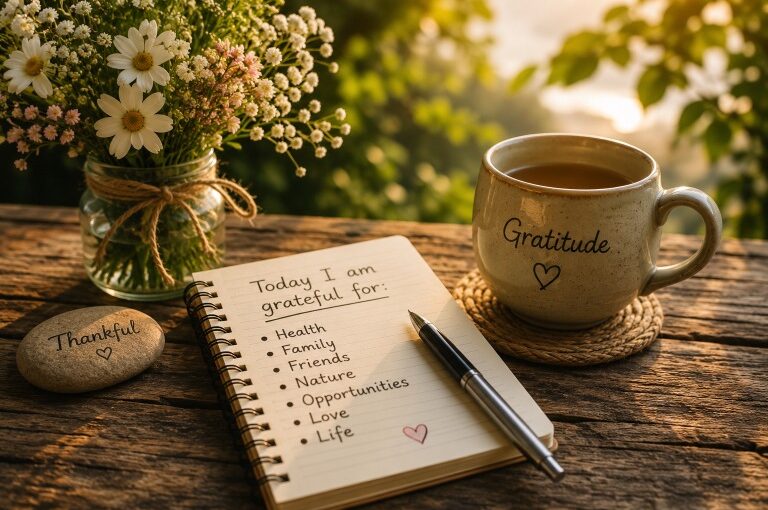
- Keeping a gratitude journal
- Reflecting on positive moments each day
- Expressing appreciation to others
- Spending time in nature
- Practicing mindfulness
- Focusing on lessons learned from challenges
The goal is not to ignore difficulties but to create a more balanced perspective that includes both challenges and blessings.
Many people use Meditation for Mental Health alongside gratitude journaling to cultivate emotional balance and resilience.
Gratitude and Personal Growth
Many people discover that gratitude becomes especially valuable during difficult times.
Challenges often reveal:
- Inner strength
- Supportive relationships
- New opportunities
- Important life lessons
While adversity is rarely pleasant, gratitude can help individuals recognize growth and meaning even within challenging experiences.
This perspective often contributes to greater emotional resilience and personal development.
By integrating Meditation for Mental Health into daily routines, individuals can strengthen gratitude, reduce stress, and improve overall well-being
Conclusion
Gratitude is one of the simplest yet most powerful practices for supporting emotional well-being.
By appreciating the people, experiences, and opportunities that enrich life, individuals can cultivate greater happiness, stronger relationships, and a healthier outlook on the future.
In a fast-moving world that often emphasizes what is missing, gratitude reminds us to recognize what is already present.
Together, gratitude and Meditation for Mental Health offer a simple yet powerful path toward greater happiness and emotional wellness.
Because sometimes the path to greater well-being begins not by seeking more-but by appreciating more deeply what we already have.
FAQs
1. How does meditation for mental health support emotional well-being?
Meditation helps calm the mind, reduce stress, and increase self-awareness, supporting better emotional health.
2. Can gratitude and meditation be practiced together?
Yes, combining gratitude with meditation can enhance positivity, emotional balance, and overall well-being.
3. How often should I practice meditation for mental health?
Even 10–15 minutes daily can provide benefits for mental clarity, stress management, and emotional resilience.
4. Does meditation help reduce stress and anxiety?
Regular meditation may help individuals manage stress, improve focus, and develop a calmer response to challenges.
5. Why is gratitude important for mental health?
Gratitude encourages a positive perspective, helping individuals appreciate meaningful experiences and strengthen emotional resilience.