
Introduction
Human beings are deeply connected through emotions, relationships, communication, and shared experiences. Yet modern life often creates emotional distance through stress, digital overload, social pressure, and fast-paced routines.
Meditation for Mental Health can help individuals develop greater compassion, empathy, emotional awareness, and resilience in everyday life.
In the middle of this disconnection, compassion and empathy remain essential qualities for emotional well-being and healthier human relationships.
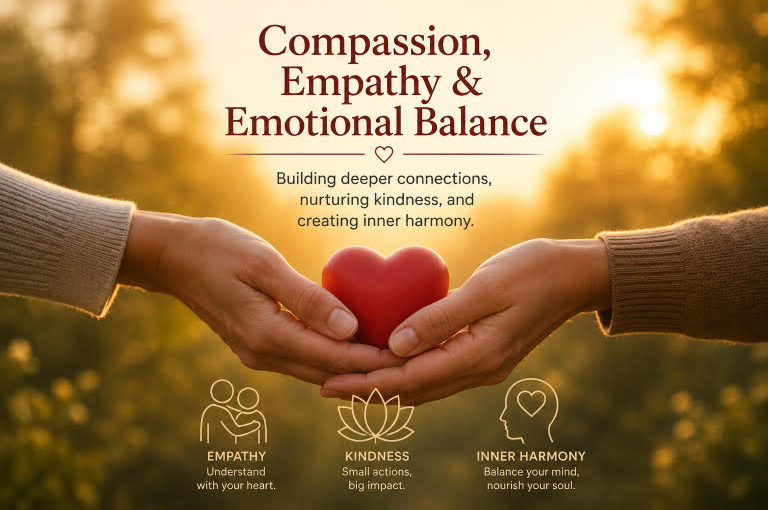
Compassion helps people respond with kindness and understanding, while empathy allows individuals to recognize and understand the emotions of others.
Together, these qualities create stronger emotional connections, healthier communities, and more supportive environments.
Organizations such as AnuAggarwalFoundation increasingly recognize the importance of emotional awareness, compassion, mindfulness, and community support in promoting holistic well-being.
Understanding Compassion and Empathy
Although compassion and empathy are closely connected, they are slightly different.
Empathy is the ability to understand and emotionally relate to another person’s feelings or experiences.
Compassion goes a step further by encouraging kindness, care, and supportive action.
Both qualities help strengthen emotional understanding and human connection.
Why Emotional Connection Matters
People naturally need emotional connection and support.
Healthy relationships contribute to:
- Emotional security
- Reduced stress
- Better communication
- Greater emotional resilience
- Improved mental well-being
On the other hand, emotional isolation and disconnection can increase feelings of loneliness, stress, and emotional exhaustion.
Regular Meditation for Mental Health practices can help individuals strengthen emotional awareness and create healthier relationships.
The Impact of Modern Life on Human Connection
Today’s digital lifestyles often create constant communication but reduced emotional presence.
Many people experience:
- Surface-level interaction
- Social comparison
- Reduced face-to-face connection
- Emotional fatigue
As a result, deeper emotional understanding is becoming increasingly important.
Compassion and empathy help restore meaningful human connection in an overstimulated world.
Compassion Reduces Emotional Stress
Compassion does not only help others—it also positively affects the person practicing it.
Acts of kindness, understanding, and emotional support often create:
- Greater emotional calm
- Reduced anger and frustration
- Improved relationships
- Increased feelings of purpose and connection
Compassion encourages healthier emotional environments for everyone involved.
Empathy Improves Communication
Empathy helps people listen more carefully and respond more thoughtfully.
When individuals feel understood, they are often more open, emotionally safe, and less defensive.
Empathy can improve:
- Personal relationships
- Family communication
- Friendships
- Workplace environments
- Community interaction
Understanding emotions creates healthier dialogue and reduces unnecessary conflict.
Self-Compassion Is Equally Important
Many people show compassion toward others while being extremely critical toward themselves.
Self-compassion involves:
- Patience with personal struggles
- Emotional acceptance
- Reduced self-judgment
- Healthier emotional recovery during difficult times
This does not mean avoiding responsibility. It means responding to oneself with greater balance and understanding.
Mindfulness Supports Compassion
Mindfulness practices help people become more emotionally aware and present.
As awareness increases, individuals often become:
- More patient
- More emotionally responsive
- Better listeners
- Less reactive during stress
Mindfulness and compassion naturally support one another.
This is one reason why many holistic wellness approaches, including AnuFunYoga®, integrate emotional awareness, breath consciousness, mindfulness, and balanced living practices into daily wellness routines.
Building Compassion in Daily Life
Compassion and empathy can be strengthened through small daily habits such as:
- Listening without interrupting
- Practicing patience
- Offering support during difficult moments
- Being mindful of language and reactions
- Showing gratitude and appreciation
Small actions often create meaningful emotional impact.
Regular Meditation for Mental Health practices encourage mindfulness, strengthen emotional connections, and support long-term emotional well-being.
Conclusion
Compassion and empathy are not weaknesses.
They are important forms of emotional intelligence that strengthen relationships, communities, and personal well-being.
In a world that often feels rushed, distracted, and emotionally overstimulated, compassion helps bring people back to genuine human connection.
Because emotional wellness is not only about understanding ourselves.
It is also about learning how to understand and care for one another.
FAQs
1. How does Meditation for Mental Health improve emotional well-being?
Meditation helps calm the mind, reduce stress, and improve emotional awareness, supporting overall mental health.
2. Can meditation increase compassion and empathy?
Yes, regular meditation encourages mindfulness and self-awareness, which can strengthen compassion and empathy toward others.
3. How often should I practice Meditation for Mental Health?
Even 10–15 minutes of daily meditation can provide noticeable emotional and mental health benefits.
4. Is meditation helpful during stressful situations?
Meditation can improve emotional regulation and help individuals respond more calmly to stress and challenges.
5. What are the long-term benefits of Meditation for Mental Health?
Long-term practice may improve emotional resilience, focus, self-awareness, and overall well-being.