
Introduction
Stress has become a common part of modern life. Deadlines, responsibilities, financial pressures, digital distractions, and constant connectivity often leave people feeling overwhelmed and exhausted.
Learning effective stress relief techniques can help individuals manage daily pressures while protecting both mental and physical well-being.
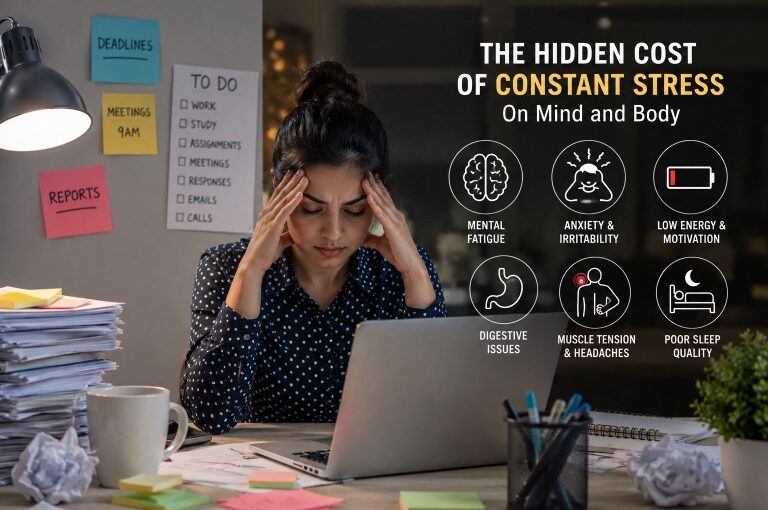
While occasional stress can be a normal response to challenges, chronic stress can have a significant impact on both physical and emotional well-being.
Many people become so accustomed to living with stress that they fail to recognize the toll it takes on their health.
Understanding the hidden effects of stress is the first step toward creating healthier and more balanced lives.
What Happens When Stress Becomes Chronic?
The body’s stress response is designed to help people respond to immediate challenges.
However, when stress becomes constant, the body may remain in a prolonged state of alertness.
Over time, this can affect:
- Sleep quality
- Energy levels
- Concentration
- Mood
- Physical health
Chronic stress often develops gradually, making it difficult for individuals to recognize its impact until symptoms become more noticeable.
Physical Effects of Long-Term Stress
Stress can influence multiple systems within the body.
Common physical symptoms may include:
- Fatigue
- Headaches
- Muscle tension
- Digestive issues
- Poor sleep
- Reduced immunity
When stress remains unmanaged for long periods, it may contribute to broader health concerns and reduce overall quality of life.
Emotional and Mental Impact
Stress affects more than the body.
It can also influence:
- Emotional balance
- Focus and concentration
- Motivation
- Patience
- Relationships
Many individuals experiencing chronic stress report feeling emotionally exhausted, irritable, or disconnected from activities they once enjoyed.
Why Stress Management Matters
Managing stress is not about eliminating challenges.
Instead, it involves developing healthier ways to respond to life’s demands.
Effective stress management helps individuals:
- Improve emotional well-being
- Maintain focus
- Enhance resilience
- Support physical health
- Strengthen relationships
Small lifestyle changes can often make a meaningful difference.
The Role of AnuFunYoga®
AnuFunYoga® views stress management as an essential part of overall well-being. Through breath awareness, mindfulness, movement, and conscious living practices, individuals can develop healthier ways to respond to daily pressures while supporting both mental and physical health.
This approach encourages balance rather than perfection, helping people build sustainable habits that support long-term wellness.
Practical Ways to Reduce Stress
Simple practices that may help include:
- Conscious breathing
- Mindfulness and meditation
- Regular physical activity
- Healthy sleep habits
- Limiting screen overload
- Spending time outdoors
- Maintaining supportive relationships
Consistency often matters more than intensity.
Small daily actions can create meaningful improvements over time.
Consistently practicing stress relief techniques can improve resilience, reduce tension, and support long-term emotional balance.
Conclusion
Stress may be a normal part of life, but living in a constant state of stress should not be considered normal.
Recognizing the hidden impact of chronic stress allows individuals to take proactive steps toward healthier living.
By developing awareness, creating supportive routines, and practicing stress-management techniques, people can improve both emotional and physical well-being and build greater resilience for the future.
Ready to take control of stress and improve your well-being? Contact us today to learn how AnuFunYoga® can support your journey toward a healthier, more balanced life.
FAQs
1. What are the most effective stress relief techniques?
Common stress relief techniques include mindful breathing, meditation, regular exercise, healthy sleep habits, and spending time in nature.
2. How does chronic stress affect the body?
Chronic stress can contribute to fatigue, headaches, muscle tension, digestive issues, sleep disturbances, and reduced immunity.
3. Can stress relief techniques improve emotional well-being?
Yes, regular stress management practices can help improve emotional balance, resilience, focus, and overall well-being.
4. How often should I practice stress relief techniques?
Daily practice, even for a few minutes, can provide long-term benefits and help reduce the impact of ongoing stress.
5. Why is stress management important for overall health?
Effective stress management supports physical health, mental clarity, emotional stability, and stronger relationships.