
Introduction
In today’s fast-paced world, conversations about fitness often focus on physical health. Young people are encouraged to exercise, eat nutritious foods, and maintain an active lifestyle. While physical fitness remains important, another equally essential aspect of well-being is often overlooked: emotional fitness.
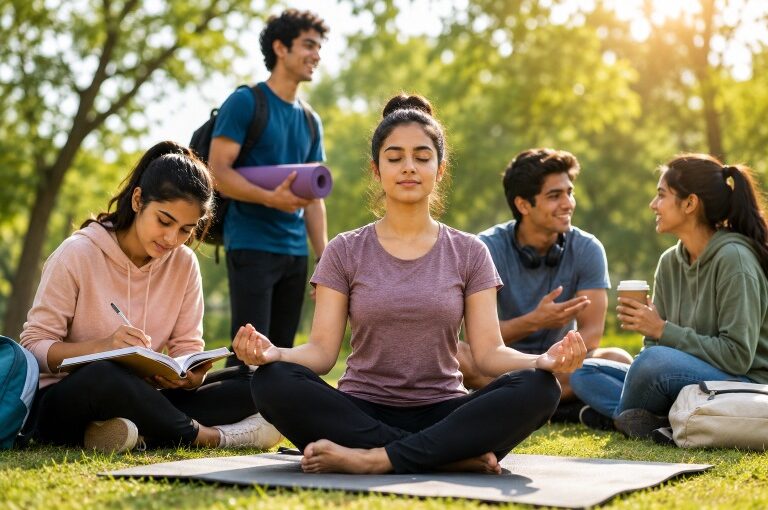
Practicing mindfulness for stress relief can help young people develop emotional awareness, improve resilience, and manage daily pressures more effectively.
Emotional fitness refers to the ability to understand, manage, and respond to emotions in a healthy and balanced way. It helps individuals navigate stress, build resilience, maintain positive relationships, and adapt to life’s challenges.
As academic pressures, social media influences, and changing social expectations continue to impact young people, emotional fitness has become more important than ever.
The Challenges Facing Young People Today
Today’s youth face a unique set of challenges that previous generations did not experience in the same way.
These include:
- Social media comparison
- Academic pressure
- Career uncertainty
- Information overload
- Cyberbullying
- Social isolation despite digital connectivity
Constant exposure to these pressures can affect confidence, concentration, emotional balance, and overall well-being.
Without emotional fitness, young people may struggle to cope effectively with setbacks and challenges.
What Is Emotional Fitness?
Emotional fitness is the ability to:
- Recognize emotions
- Manage stress effectively
- Build healthy relationships
- Respond thoughtfully rather than react impulsively
- Recover from disappointments and setbacks
Just as physical fitness strengthens the body, emotional fitness strengthens the mind and emotional well-being.
It is a skill that can be developed through consistent practice and self-awareness.
Why Emotional Fitness Matters
Emotionally fit individuals often demonstrate:
- Greater confidence
- Better decision-making
- Improved communication
- Stronger resilience
- Healthier relationships
They are not free from challenges, but they are often better equipped to navigate them constructively.
Emotional fitness helps individuals remain grounded even during periods of uncertainty and change.
Building Emotional Strength Through Awareness
Self-awareness is one of the foundations of emotional fitness.
When young people understand their emotions, they are more likely to:
- Recognize stress early
- Identify emotional triggers
- Communicate effectively
- Make healthier choices
Awareness creates space between emotions and reactions, allowing individuals to respond more consciously.
The Role of AnuFunYoga®
Through AnuFunYoga®, young people are encouraged to develop emotional fitness alongside physical well-being. By cultivating self-awareness, emotional balance, and resilience, they learn skills that support healthier responses to stress, relationships, and life’s everyday challenges.
This holistic approach recognizes that true well-being includes emotional, mental, and physical health working together.
Simple Practices That Support Emotional Fitness
Young people can strengthen emotional fitness through daily habits such as:
- Mindful breathing
- Physical movement
- Journaling
- Gratitude practices
- Healthy sleep routines
- Spending time in nature
- Meaningful social connections
Small daily practices often create lasting benefits over time.
Conclusion
Physical fitness helps strengthen the body, but emotional fitness helps strengthen the ability to navigate life itself.
As young people face increasing pressures and expectations, developing emotional resilience, self-awareness, and healthy coping skills becomes essential.
By combining emotional fitness with mindfulness for stress relief, young people can build healthier coping skills, stronger resilience, and long-term well-being.
By investing in emotional fitness alongside physical health, young people can build stronger foundations for long-term well-being, confidence, and personal growth.
Empower young minds with the tools they need to thrive. Get in touch with us to explore AnuFunYoga® programs that support emotional fitness and holistic well-being.
FAQs
1. What is mindfulness for stress relief?
Mindfulness for stress relief involves focusing on the present moment to reduce stress, improve emotional balance, and increase self-awareness.
2. How does mindfulness help young people?
It helps young people manage emotions, improve concentration, reduce anxiety, and build resilience during challenging situations.
3. Can mindfulness improve emotional fitness?
Yes, mindfulness strengthens emotional awareness and helps individuals respond to stress in healthier ways.
4. What are simple mindfulness practices for beginners?
Mindful breathing, meditation, gratitude journaling, and spending time in nature are effective starting points.
5. How often should young people practice mindfulness?
Even a few minutes of daily mindfulness practice can provide long-term benefits for emotional and mental well-being.