
Introduction
Awareness around ADHD is increasing through holistic mental wellness programs that promote emotional understanding, mindfulness, stress management, and healthier lifestyle habits.
Modern life moves quickly. Constant stimulation, multitasking, digital distractions, and increasing mental pressure can make focus and emotional balance difficult for many people.
For individuals living with Attention-Deficit/Hyperactivity Disorder (ADHD), these challenges may feel even more intense.
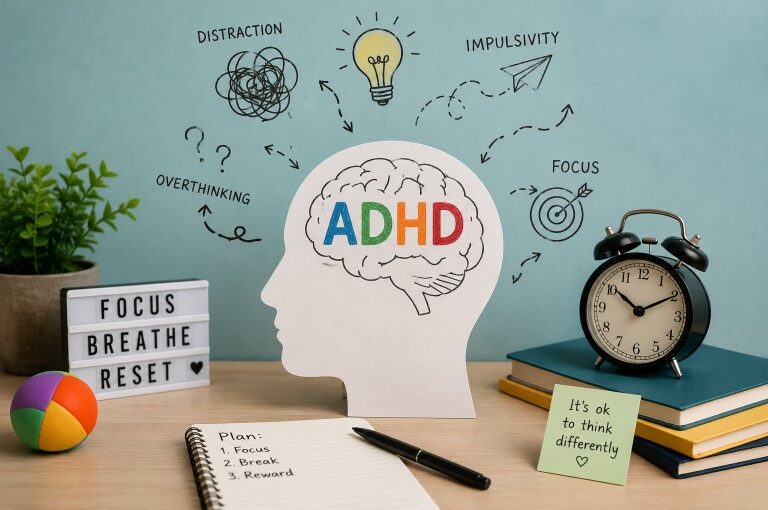
ADHD affects attention, impulsivity, emotional regulation, and the ability to manage mental focus consistently. While awareness around ADHD has grown in recent years, many people still misunderstand it.
Understanding ADHD through a compassionate and holistic lens is important for creating healthier emotional support systems and reducing unnecessary judgment.
Organizations such as Anu Aggarwal Foundation increasingly emphasize emotional wellness, mindfulness, and supportive environments that help individuals navigate stress, attention challenges, and emotional overwhelm more effectively.
What Is ADHD?
ADHD is a neurodevelopmental condition that affects how the brain manages:
- Attention
- Focus
- Impulse control
- Emotional regulation
People with ADHD may experience:
- Difficulty concentrating
- Restlessness
- Forgetfulness
- Mental overstimulation
- Emotional sensitivity
ADHD affects both children and adults, although symptoms may appear differently from person to person.
ADHD Is More Than “Lack of Focus”
Many people incorrectly assume ADHD simply means being distracted.
In reality, ADHD can also involve:
- Racing thoughts
- Emotional intensity
- Difficulty organizing tasks
- Feeling mentally overwhelmed
- Trouble managing routines
This often creates frustration, self-doubt, and emotional exhaustion.
Understanding these challenges with empathy is essential.
Emotional Wellness and ADHD
Emotional wellness plays a major role in ADHD management.
Many individuals with ADHD experience:
- Stress from overstimulation
- Anxiety related to performance pressure
- Emotional impulsivity
- Difficulty calming the mind
Without emotional support, these experiences can affect confidence and self-esteem.
This is why emotional awareness and supportive environments are so important.
The Impact of Modern Lifestyle
Today’s fast-paced digital world can intensify attention difficulties.
Constant notifications, rapid content consumption, and multitasking create continuous mental stimulation.
This environment may increase:
- Difficulty concentrating
- Mental fatigue
- Emotional restlessness
- Attention fragmentation
Healthy lifestyle balance becomes increasingly important for emotional regulation and focus.
Mindfulness in Holistic Mental Wellness Programs
Mindfulness practices may help individuals develop greater awareness of attention patterns and emotional responses.
Simple practices such as:
- Conscious breathing
- Short moments of stillness
- Mindful movement
- Structured routines
- Reduced digital overload
can support emotional calm and nervous system balance.
These approaches are increasingly included within broader holistic mental wellness programs that encourage balanced daily habits.
Creating Supportive Environments
People with ADHD often benefit from environments that encourage:
- Patience
- Clear communication
- Reduced judgment
- Emotional understanding
- Healthy routines
Supportive teachers, families, communities, and workplaces can make a significant difference in emotional well-being and confidence.
Awareness reduces stigma and creates healthier conversations around attention and emotional health.
The Importance of Self-Compassion
Many individuals with ADHD spend years feeling misunderstood or criticized for struggles they cannot fully control.
Self-compassion is important.
Rather than constantly focusing on limitations, it helps to recognize:
- Creativity
- Energy
- Curiosity
- Unique ways of thinking
- Emotional depth
A balanced perspective supports healthier emotional growth.
Lifestyle Habits Encouraged by Holistic Mental Wellness Programs
Healthy daily habits can positively influence focus and emotional regulation.
Helpful practices may include:
- Regular sleep routines
- Physical movement
- Time in nature
- Structured schedules
- Mindfulness and relaxation techniques
- Reduced screen overload
Small changes often help create greater emotional stability over time.
Many holistic mental wellness programs now focus on emotional awareness, mindfulness, structured routines, and stress reduction techniques that support healthier attention management.
Conclusion
Understanding ADHD requires compassion, awareness, and emotional support rather than judgment.
In today’s overstimulated world, conversations around attention, focus, and emotional wellness are becoming more important than ever.
Because emotional well-being is not about forcing the mind to function perfectly.
It is about learning how to support the mind with greater awareness, balance, and understanding.
At Anu Aggarwal Foundation, we believe emotional wellness begins with awareness, mindfulness, and compassionate support. Explore our holistic wellness initiatives designed to encourage balanced mental and emotional well-being in today’s fast-paced world.
FAQs
1.What is ADHD and how does it affect emotional wellness?
ADHD is a neurodevelopmental condition that affects attention, focus, impulsivity, and emotional regulation. It can influence emotional wellness by increasing stress, mental overwhelm, and difficulty managing daily routines.
2.How can mindfulness help individuals with ADHD?
Mindfulness practices such as conscious breathing, stillness, and structured routines may help improve emotional awareness, reduce overstimulation, and support better focus and calmness.
3.Why is emotional support important for people with ADHD?
Supportive environments help reduce judgment, improve confidence, and encourage healthier emotional regulation. Emotional understanding from families, teachers, and communities can positively impact mental well-being.
4.Can lifestyle habits improve focus and emotional balance?
Healthy habits like regular sleep, physical activity, reduced screen time, mindfulness practices, and structured schedules may help support emotional balance and attention management.
5.How do holistic mental wellness programs support emotional health?
Holistic mental wellness programs focus on mindfulness, emotional awareness, stress management, and balanced lifestyle habits to support overall mental and emotional well-being.