
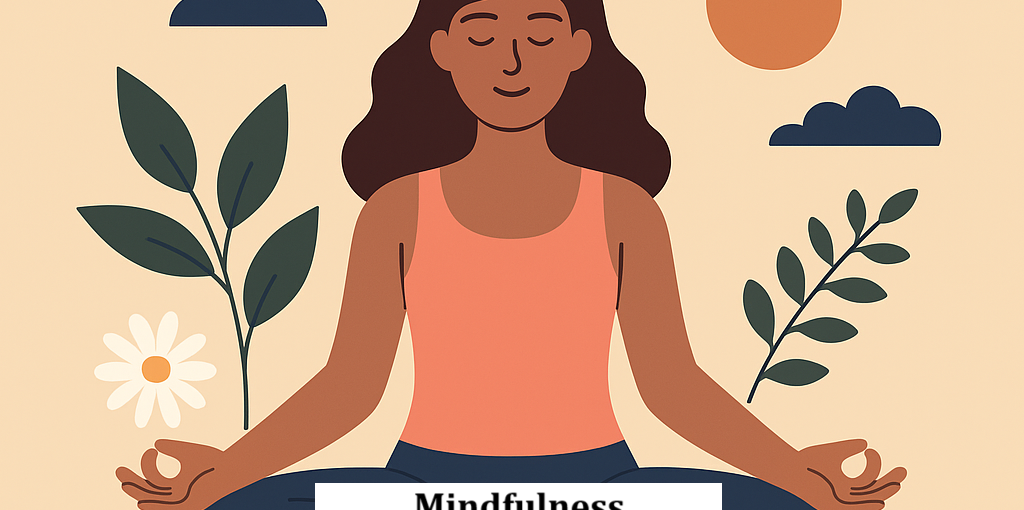
In today’s fast-paced world, stress has become an unwelcome companion for many. Whether it’s work pressure, personal challenges, or just the chaos of everyday life, our minds often feel cluttered and overwhelmed. The good news? Mindfulness exercises for stress offer a powerful, proven way to calm the mind, relax the body, and restore emotional balance.
 What Is Mindfulness?
Mindfulness means paying gentle, non-judgmental attention to the present moment. It’s the art of being fully aware—of your breath, your body, your surroundings, and your thoughts—without trying to change or resist anything.
Rooted in ancient yogic and Buddhist traditions, mindfulness is now backed by modern science as a powerful tool for managing stress, anxiety, and even physical pain.
 Why Mindfulness for Stress?
Research has shown that consistent mindfulness practice:
•Lowers cortisol (the stress hormone)
•Improves emotional regulation
•Enhances focus and resilience
•Supports sleep and immune health
•Increases overall well-being
The best part? You don’t need fancy tools or hours of time. Just a few minutes a day can make a real difference.
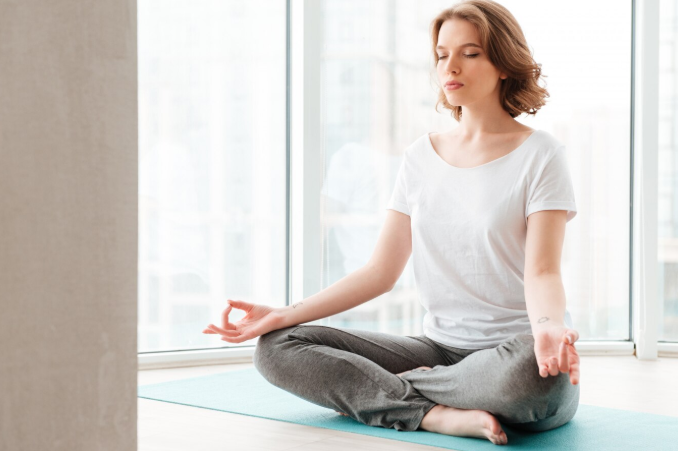
 5 Simple Mindfulness Exercises for Stress Relief
Here are five easy-to-do mindfulness techniques you can try anytime, anywhere:
\1. Mindful Breathing
How to do it:
Sit quietly and bring your attention to your breath.
Inhale slowly through the nose… and exhale gently through the mouth.
Count your breaths if needed: “Inhale 1, exhale 1… inhale 2, exhale 2…”
Why it works:
Breath is the anchor of the present moment. Mindful breathing reduces tension and activates the parasympathetic nervous system—your body’s natural “calm” mode.
2. 5-4-3-2-1 Grounding Technique
How to do it:
Name:
•5 things you can see
•4 things you can touch
•3 things you can hear
•2 things you can smell
•1 thing you can taste
Why it works:
This sensory exercise instantly draws your attention away from racing thoughts and into the safety of the here and now.
3. Mindful Journaling
How to do it:
Take 5–10 minutes to write down how you feel—without judgment. Use prompts like:
•What am I feeling right now?
•Where do I feel this in my body?
•What does my body need?
Why it works:
Putting thoughts into words helps declutter the mind and increases self-awareness.
4. Body Scan Meditation
How to do it:
Lie down or sit comfortably. Gently bring awareness to each part of your body—starting from your toes and moving upward. Notice sensations, temperature, or tension without trying to change them.
Why it works:
This practice improves the mind-body connection and helps release physical stress stored in muscles.
5. Nature Mindfulness Walk
How to do it:
Take a slow, silent walk in nature. Feel the earth beneath your feet. Notice the colors, sounds, and scents around you.
Why it works:
Spending time outdoors in mindful silence can dramatically reduce cortisol and elevate your mood.
Final Thoughts: Small Shifts, Big Results
Stress may be part of life, but staying stressed doesn’t have to be. By incorporating even one of these mindfulness exercises into your daily routine, you can start to experience more peace, clarity, and control.
Join the Movement with AAF
At the Anu Aggarwal Foundation (AAF), we integrate ancient wisdom with modern well-being. Through workshops, community programs, and healing techniques like AnuFunYoga, we help individuals from all walks of life manage stress and reclaim joy.
Want to learn more or get involved?
Join a mindfulness session
Volunteer for mental wellness outreach
Follow us for more healing tools
Let’s breathe in peace—and exhale stress—together.