
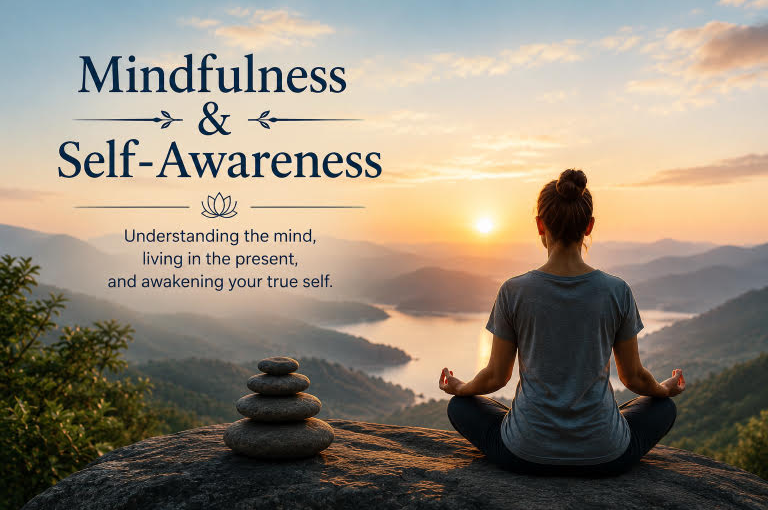
Introduction
Modern life often moves so quickly that many people spend most of their time reacting automatically to stress, emotions, responsibilities, and distractions without fully understanding their inner state.
This is where mindfulness and self-awareness become important.
Mindfulness for Stress Relief is a simple practice that promotes emotional balance and mental well-being.
Mindfulness helps people become more present and conscious in daily life, while self-awareness helps individuals better understand their thoughts, emotions, habits, and reactions.
Together, these practices can improve emotional balance, reduce stress, and create healthier relationships with both oneself and others.
Organizations such as AnuAggarwalFoundation increasingly recognize the importance of mindfulness, emotional awareness, and balanced living practices in supporting overall well-being.
What Is Mindfulness?
Mindfulness is the practice of bringing attention to the present moment with awareness and without judgment.
Rather than constantly thinking about the past or future, mindfulness encourages people to become more conscious of:
- Thoughts
- Emotions
- Breathing
- Physical sensations
- Surroundings
Mindfulness is not about stopping thoughts completely.
It is about observing experiences more calmly and consciously.
What Is Self-Awareness?
Self-awareness is the ability to understand one’s internal emotional and mental state.
This includes recognizing:
- Emotional reactions
- Behavioral patterns
- Stress triggers
- Thought habits
- Personal strengths and limitations
Self-awareness helps people respond more consciously rather than reacting impulsively during stressful situations.
Why Emotional Balance Matters
Emotional balance does not mean feeling happy all the time.
Regular Mindfulness for Stress Relief practices can improve emotional resilience and reduce mental fatigue.
Instead, it means developing the ability to:
- Handle stress more calmly
- Understand emotions more clearly
- Respond thoughtfully rather than impulsively
- Recover from emotional challenges more effectively
In today’s fast-paced world, emotional balance has become an important part of overall wellness.
The Problem with Constant Mental Stimulation
Modern lifestyles often involve:
- Continuous screen exposure
- Social media overload
- Multitasking
- Information overload
- Constant pressure and comparison
This can leave the mind overstimulated and emotionally exhausted.
Mindfulness helps create mental pauses within this constant activity.
Even short moments of awareness can calm the nervous system and improve emotional clarity.
How Mindfulness Improves Emotional Awareness
Mindfulness encourages people to notice emotions without immediately reacting to them.
For example, mindfulness may help individuals recognize:
- Stress before it becomes overwhelming
- Anxiety patterns
- Emotional triggers
- Negative thought cycles
This awareness creates space between emotions and reactions.
That space often leads to calmer and healthier responses.
The Role of Breathing and Stillness
Simple practices such as:
- Conscious breathing
- Meditation
- Quiet reflection
- Mindful walking
help slow mental activity and bring attention back to the present moment.
These practices support nervous system balance and emotional regulation.
This is why mindfulness practices are increasingly included within broader holistic wellness approaches such as AnuFunYoga®, which encourages awareness, balance, breath consciousness, and mindful living as part of daily life rather than occasional practice.
Self-Awareness Improves Relationships
People who are more self-aware often communicate more thoughtfully and respond with greater emotional understanding.
Self-awareness can help improve:
- Listening skills
- Patience
- Compassion
- Emotional responsibility
- Conflict management
Understanding oneself often improves understanding of others as well.
Small Daily Practices Matter
Mindfulness and self-awareness do not require dramatic lifestyle changes.
Consistent Mindfulness for Stress Relief techniques can support long-term mental wellness and inner calm.
Simple habits may include:
- Taking breaks from screens
- Spending quiet time alone
- Journaling thoughts and emotions
- Observing breathing during stress
- Practicing gratitude
- Spending time in nature
Consistency matters more than perfection.
Conclusion
Mindfulness and self-awareness help people reconnect with emotional clarity in a world filled with distraction and overstimulation.
These practices encourage:
- greater presence
- calmer reactions
- emotional understanding
- healthier relationships
- inner balance
Because sometimes emotional wellness begins not by controlling everything around us-but by becoming more aware of what is happening within us.
FAQs
1. What is mindfulness for stress relief?
Mindfulness for stress relief is the practice of focusing on the present moment with awareness, helping reduce anxiety, tension, and emotional overwhelm.
2. How does mindfulness improve emotional balance?
Mindfulness helps individuals recognize emotions without reacting impulsively, leading to calmer responses and better emotional regulation.
3. Can mindfulness reduce anxiety and stress?
Yes, regular mindfulness practices such as meditation and conscious breathing can help lower stress levels and reduce anxiety symptoms.
4. How long should I practice mindfulness daily?
Even 5–10 minutes of daily mindfulness practice can improve focus, emotional awareness, and stress management over time.
5. What are simple mindfulness techniques for beginners?
Beginners can start with mindful breathing, short meditation sessions, gratitude journaling, mindful walking, and observing thoughts without judgment.