
Introduction
Modern life often keeps people surrounded by screens, noise, traffic, deadlines, and constant mental activity. As daily routines become increasingly fast-paced and digitally connected, many people feel emotionally exhausted and disconnected from themselves.
In the middle of this overstimulation, nature offers something simple yet powerful: balance.
Nature-based mindfulness and emotional healing practices are also becoming an important part of modern Holistic Mental Wellness Programs focused on balanced and healthier living.
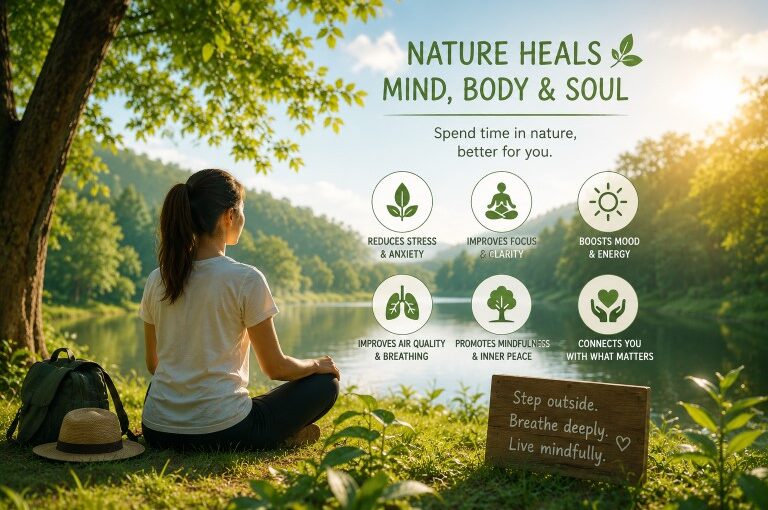
Spending time in natural environments can calm the mind, reduce stress, improve emotional well-being, and help people reconnect with a sense of inner stillness.
This growing connection between environmental awareness and mental wellness is becoming increasingly important in conversations around holistic health and balanced living.
Organizations such as AnuAggarwalFoundation increasingly recognize the importance of mindful living, emotional wellness, and healthier relationships with both the self and the environment.
How Nature Affects the Mind
Natural environments help reduce overstimulation.
The nervous system responds differently to:
- Trees and greenery
- Open spaces
- Fresh air
- Natural light
- Flowing water and natural sounds
These environments often create feelings of:
- Calmness
- Relaxation
- Mental clarity
- Emotional grounding
Even short periods in nature can positively influence mood and stress levels.
The Problem with Constant Stimulation
Many people spend most of their time:
- Indoors
- Looking at screens
- Surrounded by noise
- Multitasking continuously
This constant stimulation keeps the brain in a state of mental activity and emotional tension.
Over time, this may contribute to:
- Stress
- Anxiety
- Attention fatigue
- Emotional exhaustion
Nature helps create pauses within this cycle.
Nature and Emotional Regulation
Spending time outdoors often helps people feel emotionally lighter and more balanced.
Many Holistic Mental Wellness Programs encourage outdoor mindfulness activities because nature helps calm the nervous system and reduce emotional overwhelm.
Nature encourages:
- Slower breathing
- Greater mindfulness
- Reduced mental clutter
- Improved emotional awareness
This is one reason why outdoor wellness practices such as walking, yoga, meditation, and mindful breathing are becoming increasingly popular.
Environmental Awareness and Human Well-being
Environmental awareness is not only about protecting the planet; it is also about understanding humanity’s relationship with the natural world.
When people become disconnected from nature, they may also feel disconnected internally.
Simple environmental awareness practices such as:
- Spending more time outdoors
- Reducing unnecessary waste
- Appreciating natural spaces
- Supporting cleaner environments
can help create a stronger sense of connection and responsibility.
Nature as a Digital Detox
Modern digital lifestyles rarely allow the mind to rest fully.
Holistic Mental Wellness Programs often include nature-based relaxation techniques to help people recover from constant digital stimulation and mental fatigue.
Nature provides an opportunity to:
- Step away from screens
- Slow down mental activity
- Reconnect with the present moment
This creates emotional recovery from constant digital stimulation.
Even small habits such as:
- Walking in a park
- Sitting near trees
- Watching a sunset
- Gardening
can create calming psychological effects.
Mindfulness and the Natural World
Mindfulness becomes easier in natural environments because nature naturally encourages presence and observation.
Listening to birds, feeling the wind, or simply observing greenery helps bring attention back to the present moment.
This connection between mindfulness and nature supports:
- emotional balance
- nervous system regulation
- stress reduction
- mental clarity
Such practices align closely with broader holistic mental wellness programs focused on balanced living.
Why Young Generations Need Nature More Than Ever
Children, adolescents, and young adults today spend more time indoors and online than previous generations.
As digital exposure increases, connection with nature becomes even more important for:
- concentration
- emotional regulation
- creativity
- physical activity
- overall well-being
Encouraging outdoor engagement can help create healthier emotional habits early in life.
Small Daily Changes Matter
Connecting with nature does not require major lifestyle changes.
Simple daily habits can help:
- Taking short walks outdoors
- Spending time in sunlight
- Practicing breathing exercises in open spaces
- Keeping plants indoors
- Reducing unnecessary screen time
Small moments of connection often create meaningful emotional shifts.
Conclusion
Nature reminds people to slow down.
In a world filled with noise, speed, and digital overstimulation, natural environments offer calm, balance, and emotional clarity.
As awareness around emotional well-being grows, Holistic Mental Wellness Programs continue emphasizing the importance of reconnecting with nature for healthier and more balanced living.
Environmental awareness and mental wellness are deeply connected because both involve creating healthier relationships; with the world around us and with ourselves.
Sometimes healing does not begin with doing more.
Sometimes it begins by stepping outside, breathing deeply, and reconnecting with the quiet wisdom of nature.
FAQs
1. How does nature improve mental well-being?
Spending time in nature can help reduce stress, improve emotional balance, calm the mind, and support overall mental wellness by reducing overstimulation.
2. Why is environmental awareness important for mental health?
Environmental awareness helps people reconnect with the natural world, encouraging mindfulness, emotional grounding, and healthier lifestyle habits that support mental well-being.
3. Can nature help reduce stress and anxiety?
Yes, natural environments such as parks, greenery, and open spaces can help lower stress levels, improve relaxation, and reduce feelings of anxiety and mental fatigue.
4. What are simple ways to connect with nature daily?
Simple habits include taking short walks outdoors, gardening, spending time in sunlight, keeping indoor plants, and practicing mindful breathing in open spaces.
5. How do Holistic Mental Wellness Programs include nature-based practices?
Many Holistic Mental Wellness Programs include mindfulness, outdoor activities, meditation, breathing exercises, and nature-based relaxation techniques to support emotional and mental balance.