
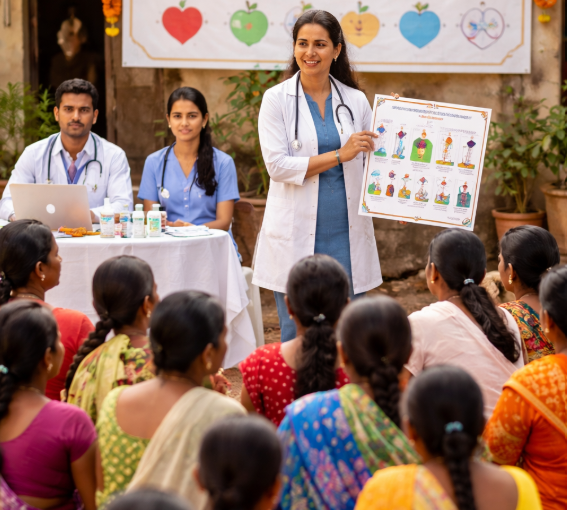
Introduction
Health is often understood as the absence of illness. But true well-being goes beyond that-it includes physical vitality, mental clarity, and emotional balance.
Health Awareness Programs play a vital role in educating individuals about achieving this complete state of well-being. In today’s fast-paced world, awareness is the first step toward prevention and long-term health.
In many communities, especially across India, limited access to information and preventive care leads to health challenges that could otherwise be avoided. This is where health awareness programs play a crucial role. They do not just inform-they empower individuals to take charge of their own well-being.
At organizations like AnuAggarwalFoundation, health awareness is approached holistically, integrating physical health with mental and emotional wellness.
What Are Health Awareness Programs?
Health awareness programs are initiatives designed to educate individuals and communities about maintaining and improving their health.
In simple terms, Health Awareness Programs are structured efforts that focus on spreading knowledge, encouraging preventive habits, and promoting healthier lifestyles among people of all age groups.
These programs focus on:
- Preventive healthcare
- Early detection of diseases
- Hygiene and sanitation
- Nutrition and lifestyle choices
- Mental health awareness
The goal is simple yet powerful: to shift people from reactive healthcare to proactive well-being.
By prioritizing prevention over cure, these programs reduce the burden on healthcare systems and improve overall quality of life.
Why Health Awareness Is Essential for Communities
In many cases, lack of awareness-not lack of resources-is the root cause of health issues.
Health Awareness Programs bridge this gap by delivering the right information at the right time, enabling people to make informed health decisions.
Health awareness programs help communities:
-
Prevent diseases before they occur
Simple knowledge about hygiene, nutrition, and regular check-ups can significantly reduce the risk of illness.
For example, awareness about clean drinking water, vaccination, and balanced diets can prevent many communicable and lifestyle diseases.
-
Encourage early diagnosis
Awareness about symptoms and regular screenings leads to early detection, which improves treatment outcomes.
Early diagnosis not only saves lives but also reduces the cost and complexity of treatment.
-
Promote healthier lifestyles
Understanding the impact of daily habits empowers individuals to make better choices.
Habits such as regular exercise, proper sleep, and stress management are often promoted through these programs.
-
Reduce healthcare costs
Preventive care is far more affordable than long-term treatment.
Communities that actively participate in Health Awareness Programs often experience lower medical expenses and improved productivity.
When awareness increases, communities become more resilient and self-reliant.
The Role of Mental Health in Health Awareness Programs
Traditionally, health programs have focused mainly on physical well-being. However, mental health is equally important.
Modern Health Awareness Programs recognize that mental and emotional well-being are essential components of overall health.
Stress, anxiety, and emotional fatigue are increasingly common, yet often overlooked.
Modern health awareness programs now include:
- Stress management techniques
- Mindfulness practices
- Emotional well-being education
Practices such as mindfulness for stress relief are being integrated into community programs to help individuals manage daily pressures and build resilience.
Workshops, counseling sessions, and group discussions are also becoming a part of awareness initiatives to normalize conversations around mental health.
This shift toward mental health awareness is essential for creating truly healthy communities.
Holistic Health: Connecting Body and Mind
Health is not divided into separate parts-it is interconnected.
Physical health affects mental well-being, and emotional stress can manifest in the body. Recognizing this connection is key to effective health awareness.
Health Awareness Programs today are increasingly adopting a holistic approach that focuses on the balance between mind, body, and lifestyle.
Holistic programs combine:
- Physical activity (such as yoga)
- Breathwork and relaxation techniques
- Nutritional guidance
- Emotional awareness
At AnuAggarwalFoundation, such integrated approaches are used to support communities in achieving balanced well-being rather than addressing symptoms in isolation.
This holistic model ensures long-term health benefits rather than temporary solutions.
Community Impact of Health Awareness Programs
The impact of health awareness extends beyond individuals-it transforms entire communities.
Well-implemented Health Awareness Programs create a ripple effect that benefits families, neighborhoods, and future generations.
Improved quality of life
Healthier individuals contribute more actively to their families and communities.
Stronger social support systems
Awareness programs often bring people together, creating networks of support and shared learning.
Empowered decision-making
Informed individuals are better equipped to make choices about their health and lifestyle.
Intergenerational benefits
When awareness increases, healthier habits are passed on to future generations.
Children growing up in health-aware environments are more likely to adopt lifelong healthy habits.
This ripple effect makes health awareness programs one of the most effective tools for long-term social change.
Challenges and the Way Forward
Despite their importance, health awareness programs still face challenges:
- Limited reach in remote areas
- Social stigma around mental health
- Lack of consistent follow-up
- Resource constraints
Additionally, digital divide and lack of localized content can also limit the effectiveness of Health Awareness Programs in rural communities.
To address these challenges, there is a growing need for:
- Community-driven initiatives
- Integration of traditional and modern practices
- Increased focus on mental and emotional well-being
- Sustainable program models
Leveraging technology, mobile health campaigns, and local community leaders can significantly improve outreach and engagement.
The future of health awareness lies in making these programs more inclusive, accessible, and holistic.
FAQs
Q1. What are Health Awareness Programs?
Health Awareness Programs are initiatives designed to educate people about preventive healthcare, hygiene, nutrition, and mental well-being.
Q2. Why are Health Awareness Programs important?
They help prevent diseases, encourage early diagnosis, and promote healthier lifestyles in communities.
Q3. How do Health Awareness Programs benefit society?
They improve public health, reduce healthcare costs, and create informed and empowered communities.
Q4. Do Health Awareness Programs include mental health?
Yes, modern programs include mental health awareness, stress management, and emotional well-being practices.
Conclusion
Health awareness programs are not just about information-they are about transformation.
They shift individuals from passive recipients of healthcare to active participants in their own well-being. By combining preventive care, mental health awareness, and holistic practices, these programs create stronger, healthier communities.
Health Awareness Programs are the foundation of a healthier future, especially in growing societies where awareness can significantly reduce preventable diseases.
In a world where stress and lifestyle-related challenges are increasing, awareness becomes the first step toward healing.
Because when people understand their health, they begin to take ownership of it-and that is where real change begins.
Join Anu Aggarwal Foundation in spreading awareness and empowering communities through impactful Health Awareness Programs. Together, we can build a healthier and more conscious society.